Types of Marketing Materials for Businesses: Choosing Print That Supports Business Goals
Businesses rarely rely on a single marketing tool to attract and retain customers. A trade show visitor, a retail shopper, a corporate buyer and a potential investor all interact with a brand differently, and each touchpoint calls for different marketing materials. Choosing what to print is therefore less about producing attractive collateral and more about providing the right information at the appropriate moment.
Instead of asking, "What should we print?", a more useful question is, "What does our audience need at each stage of the customer journey?" The answer determines which marketing materials will deliver the greatest value.
Awareness Materials: Making a Strong First Impression
When introducing a business, product or campaign, marketing materials should be easy to distribute and quick to digest.
Flyers remain an effective option for local promotions, product launches and event marketing because they communicate a focused message in a compact format. Posters help increase visibility in public spaces, while folded leaflets allow businesses to present additional information without overwhelming the reader.
At this stage, simplicity matters. Clear messaging, strong visuals and consistent branding are often more effective than trying to communicate every product or service at once.
Sales Materials: Supporting Buying Decisions
Once potential customers begin comparing suppliers, they usually require more detailed information.
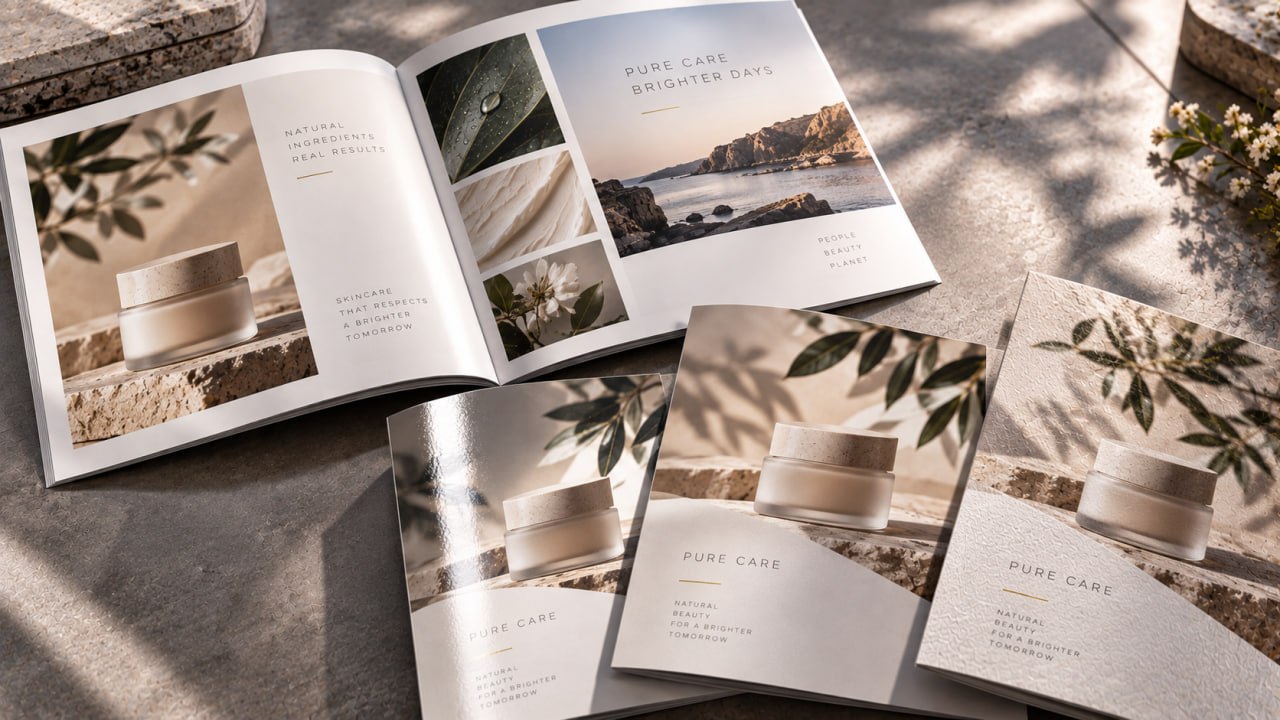
Brochures, company profiles and product catalogues help explain capabilities, showcase product ranges and present technical specifications in a structured format. Unlike digital content that may be quickly overlooked, professionally printed sales materials are frequently shared during meetings, consultations and presentations, making them valuable tools for longer purchasing cycles.
The format should reflect the complexity of the offer. A premium catalogue may suit luxury retail or real estate, while a concise brochure is often sufficient for introducing professional services.
Brand Materials That Build Credibility
Some printed items are less about promotion and more about reinforcing trust.
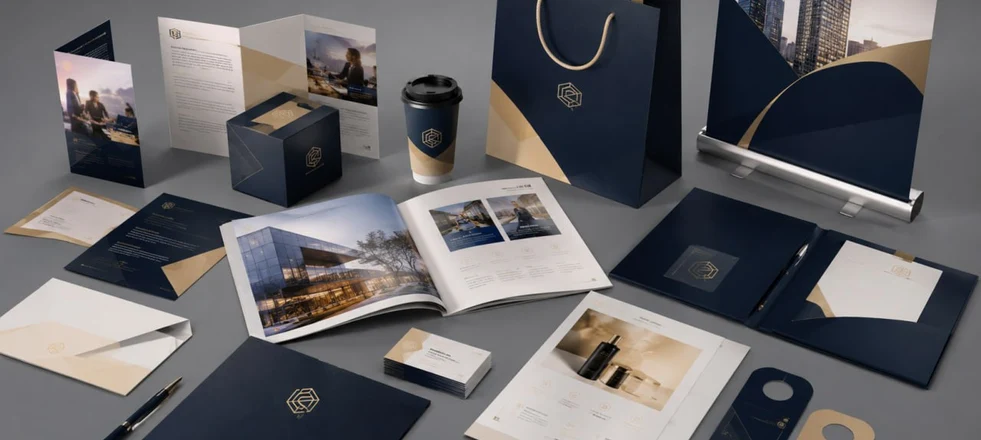
Business cards continue to play an important role in networking, particularly during exhibitions, conferences and client meetings. Presentation folders help organise quotations, contracts and marketing documents, while branded stationery contributes to a consistent corporate identity across everyday business communications.
Although these materials rarely generate sales directly, they strengthen brand perception and create a more professional customer experience.
Packaging as a Marketing Tool
Packaging is often the last marketing material a customer may encounter before using a product—and one of the first they remember afterwards.
Well-designed packaging communicates quality, protects the product and reinforces brand identity at the same time. Depending on the industry, it may also include regulatory information, instructions, promotional messaging or QR codes that connect customers with digital content.
For businesses selling through retail stores or e-commerce platforms, packaging is no longer simply a container. It has become an extension of a broader marketing strategy.
Printed Materials for Events and Exhibitions
Trade shows, corporate events and product launches require a different mix of marketing materials than those used in everyday business operations. Roll-up banners, exhibition graphics, promotional leaflets, branded giveaways and presentation folders all help businesses attract attention and support conversations with potential customers. Because visitors often collect information from multiple exhibitors, clear design and concise messaging are essential to ensure materials remain relevant after the event.
Combining large-format graphics with printed handouts allows businesses to communicate effectively both during and after face-to-face interactions.
Selecting Materials That Match Your Objectives
The most successful marketing strategies rarely depend on producing more printed materials—they depend on selecting the right ones.
A company launching a new product may prioritise flyers, packaging and point-of-sale displays. A business targeting corporate clients may achieve better results with company profiles, presentation folders and professionally designed catalogues. Organisations exhibiting at industry events typically require a coordinated set of promotional and branding materials rather than a single printed item.
When marketing materials are chosen according to business objectives instead of habit, they become practical tools that support communication, strengthen brand recognition and help customers make informed decisions. Effective print is not defined by quantity but by how well each piece serves its purpose within the wider marketing strategy.