Glossy vs Matte Paper: Choosing the Right Finish for Your Print Project
The same design can create two completely different impressions depending on the paper’s finish. A brochure printed on glossy stock may appear vibrant and dynamic, while the identical artwork on matte paper can feel refined, understated and easier to read. Neither option is universally better—the right choice depends on how the printed piece will be used and the message a business wants to communicate. Selecting between glossy and matte paper is therefore more than an aesthetic decision. It influences colour reproduction, readability, durability and even how customers perceive a brand.
The Finish Shapes the First Impression
Paper is often the first physical interaction people have with a printed product. Before reading the content, they notice how the surface reflects light, how the material feels in their hands and whether it complements the brand's identity.
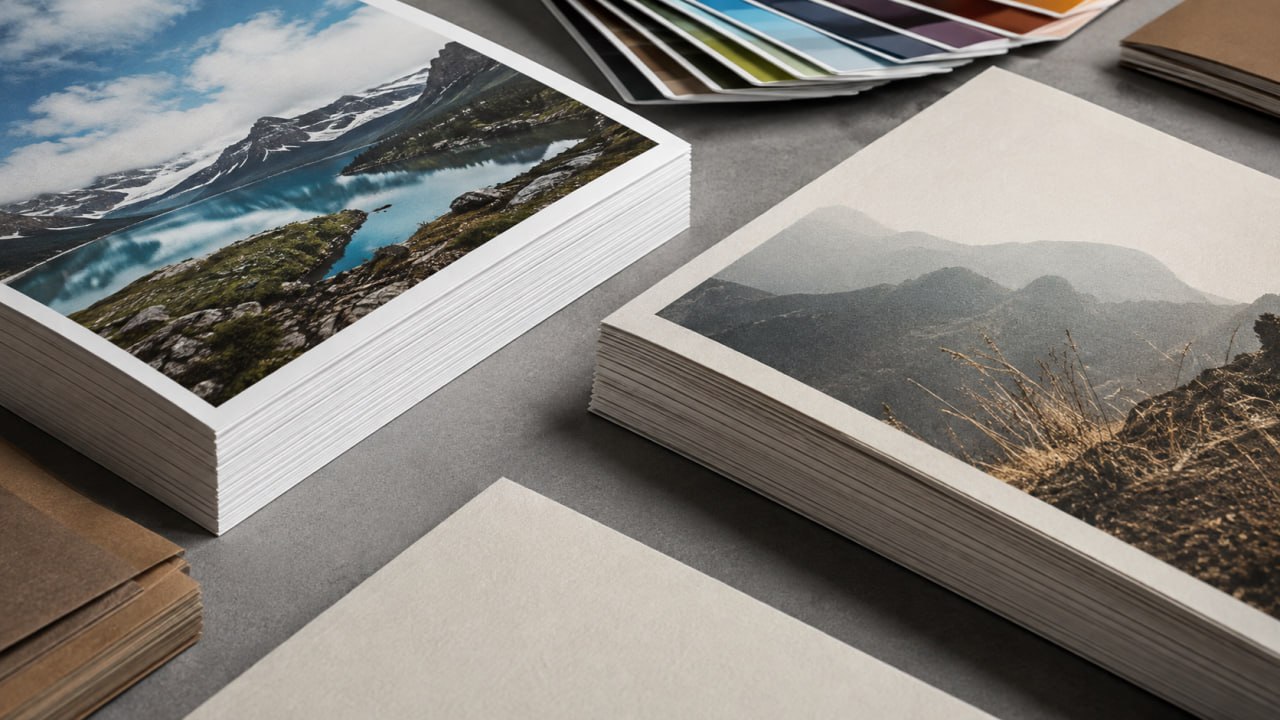
Glossy paper reflects more light than matte paper, making colours appear brighter and images more striking. Matte paper reflects less light instead, creating a softer appearance with less glare and a more subdued appearance.
These characteristics immediately influence how printed materials are perceived, even before the first page is turned.
When Glossy Paper Delivers Better Results
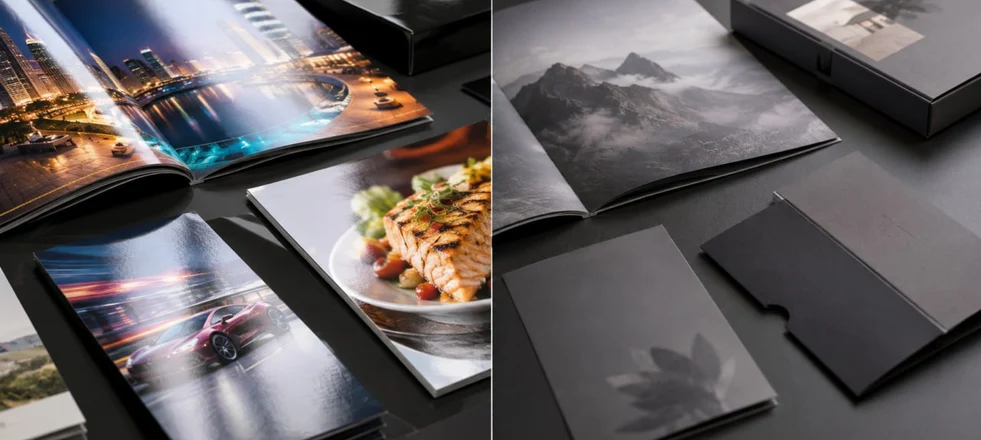
Glossy finishes are designed to maximise visual impact. They enhance colour saturation, increase contrast and make photographs appear sharper and more vibrant.
For this reason, glossy paper is widely used for:
- product catalogues featuring high-quality photography;
- travel and lifestyle brochures;
- restaurant menus with food imagery;
- promotional leaflets;
- retail marketing materials.
Projects that rely heavily on colourful imagery often benefit from the additional depth and brightness that glossy coatings provide. However, highly reflective surfaces can create glare under strong lighting, which may reduce reading comfort in some environments.
Where Matte Paper Has the Advantage
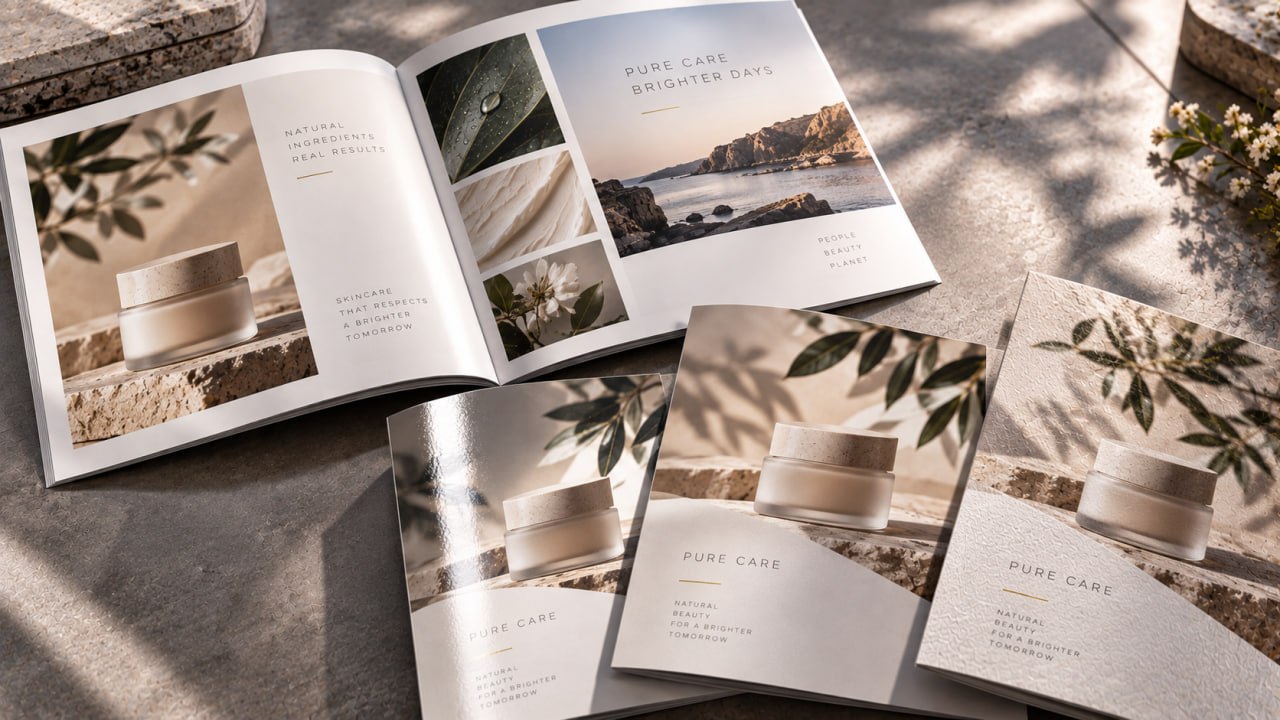
Matte paper offers a more subtle presentation. Because it reflects less light, text is generally easier to read, and fingerprints are often less noticeable than on glossy surfaces. This finish is frequently chosen for:
- corporate reports;
- company profiles;
- premium brochures;
- business presentations;
- luxury packaging;
- art and photography books that prioritise a natural look.
Many premium brands also favour matte finishes because they communicate sophistication through restrained design rather than visual intensity.
Beyond Appearance: Practical Considerations
The choice between glossy and matte paper should also reflect how the printed product will be handled.
Glossy coatings provide some additional protection against moisture and minor surface damage, making them suitable for frequently handled marketing materials. Matte surfaces, meanwhile, are often more suitable for writing on and reduce reflections during meetings, exhibitions and presentations.
Finishing techniques can also behave differently depending on the paper. Foil stamping, embossing and spot UV coating may produce distinctive effects on matte paper stocks, while glossy paper naturally enhances printed photographs without requiring additional visual treatments. Considering these production factors early helps ensure the chosen finish supports both design and functionality.
Matching Paper Finish to Brand Identity
The most appropriate finish is not always determined by the type of product—it is often defined by the brand itself. A luxury cosmetics company may choose matte packaging to reinforce elegance and exclusivity. A travel agency promoting holiday destinations may prefer glossy brochures to showcase vibrant landscapes. A technology business might combine both finishes, using matte paper for corporate documents and glossy-printed materials for product launches. Rather than following design trends, successful print projects select paper finishes that strengthen the overall brand experience.
Choosing the Finish That Fits Your Objectives
Glossy and matte paper each offer distinct advantages, and neither should be viewed as the default option for every project. The best choice depends on the balance between visual impact, readability, durability and the message a business wants to communicate. By considering the purpose of the printed material, the audience and production requirements from the outset, companies can ensure that the paper finish becomes an integral part of the design—not simply the final production decision.