
Digital Printing: Advantages and Practical Use in Business Printing
Key Takeaways:
- Digital printing starts instantly without plates or prepress stages.
- It is financially efficient for short and medium print runs.
- Allows full personalisation of each printed item.
- Ideal for urgent jobs and frequently updated materials.
- Works across marketing, corporate and short-run packaging production.
What Digital Printing Means in Commercial Production
Digital printing is a direct-output method where files are sent from a workstation straight to the printing device.
In production terms, this results in:
- no mechanical preparation stage
- minimal setup waste
- immediate job execution
Each sheet or item is processed individually, which makes the method flexible and adaptable during the print run.
Core Advantages of Digital Printing
Immediate Production Start
Digital presses do not require plates, calibration cycles, or long setup procedures.
This allows:
- same-day production
- rapid job switching
- efficient handling of multiple small orders
Typical use cases:
- last-minute marketing materials
- urgent corporate documents
- event printing
Cost Efficiency at Low Volumes
Unlike offset printing, digital production does not include fixed setup costs.
This makes it suitable for:
- small batches
- pilot campaigns
- internal corporate printing
Examples:
- 100–300 brochures
- short-run catalogues
- limited branded materials
Variable Data and Personalisation
Digital printing enables changes within a single print run.
Each item can include:
- different names
- unique codes
- customised messaging
Common applications:
- direct mail campaigns
- personalised invitations
- segmented marketing materials
This increases engagement and improves response rates.
Flexible Content Updates
Digital workflows allow quick file replacement without requiring production to be restarted.
Useful for:
- price changes
- multilingual versions
- regional adaptations
This is particularly important in fast-moving markets such as Dubai.
Reduced Material Waste
Since there is no extensive setup:
- fewer test prints are required
- paper consumption is lower
- production is more controlled
This improves both efficiency and sustainability.
Digital vs Offset Printing: Decision Criteria
Choose Digital Printing When:
- quantities are below large-scale thresholds
- deadlines are tight
- content changes frequently
- personalisation is required
Choose Offset Printing When:
- volumes are high
- colour consistency must be exact
- finishing is complex
- unit cost needs to be minimised
Where Digital Printing Is Used in Business
Marketing Materials Printing
- flyers
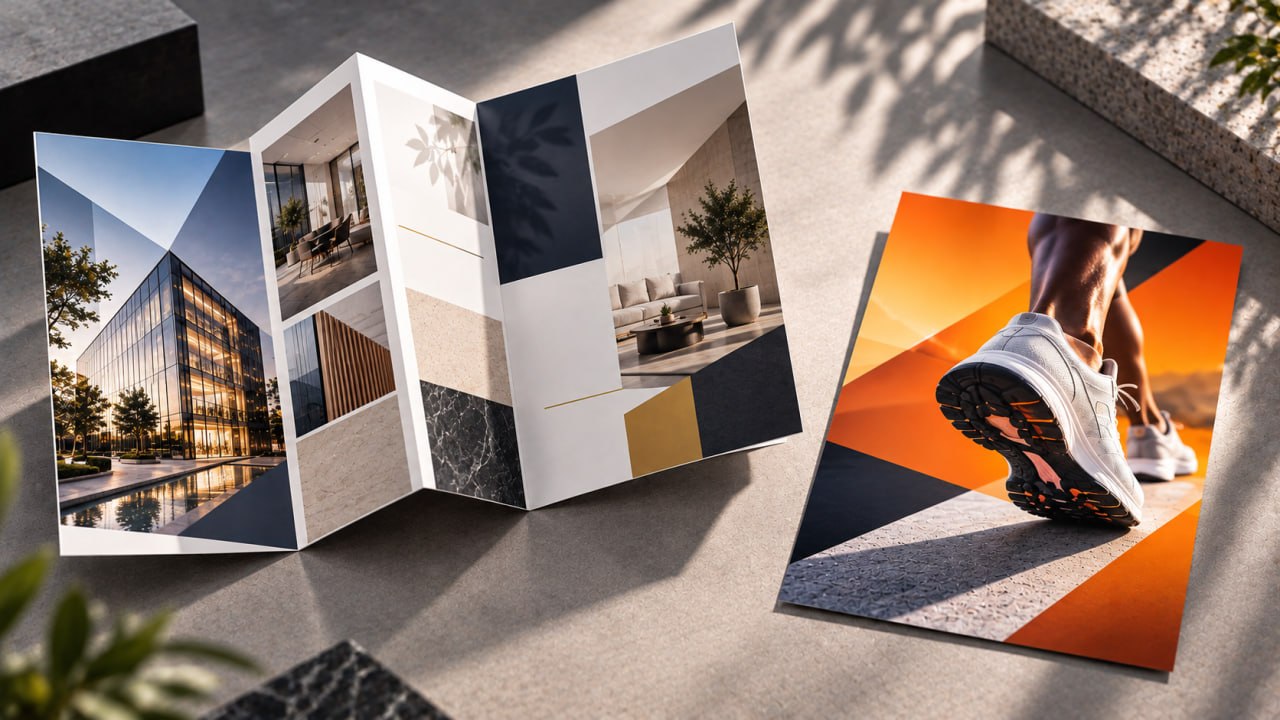
- brochures
- small-batch catalogues
- promotional inserts
Corporate Printing
- business cards
- letterheads
- presentation folders
- internal documentation
Event and Exhibition Materials
- badges
- programmes
- short-run signage
- branded inserts
Short-Run Packaging
Digital printing is often used for:
- packaging prototypes
- limited product releases
- test batches before offset production
Materials Used in Digital Printing
Digital printing supports a broad selection of substrates.
Paper Options
- coated (gloss or matte)
- uncoated
- premium and textured stocks
Synthetic and Specialty Materials
- waterproof paper
- adhesive media
- lightweight packaging boards
Material compatibility depends on the specific press technology.
Finishing Options
Digital printing integrates well with standard finishing processes.
Common options include:
- lamination
- creasing and folding
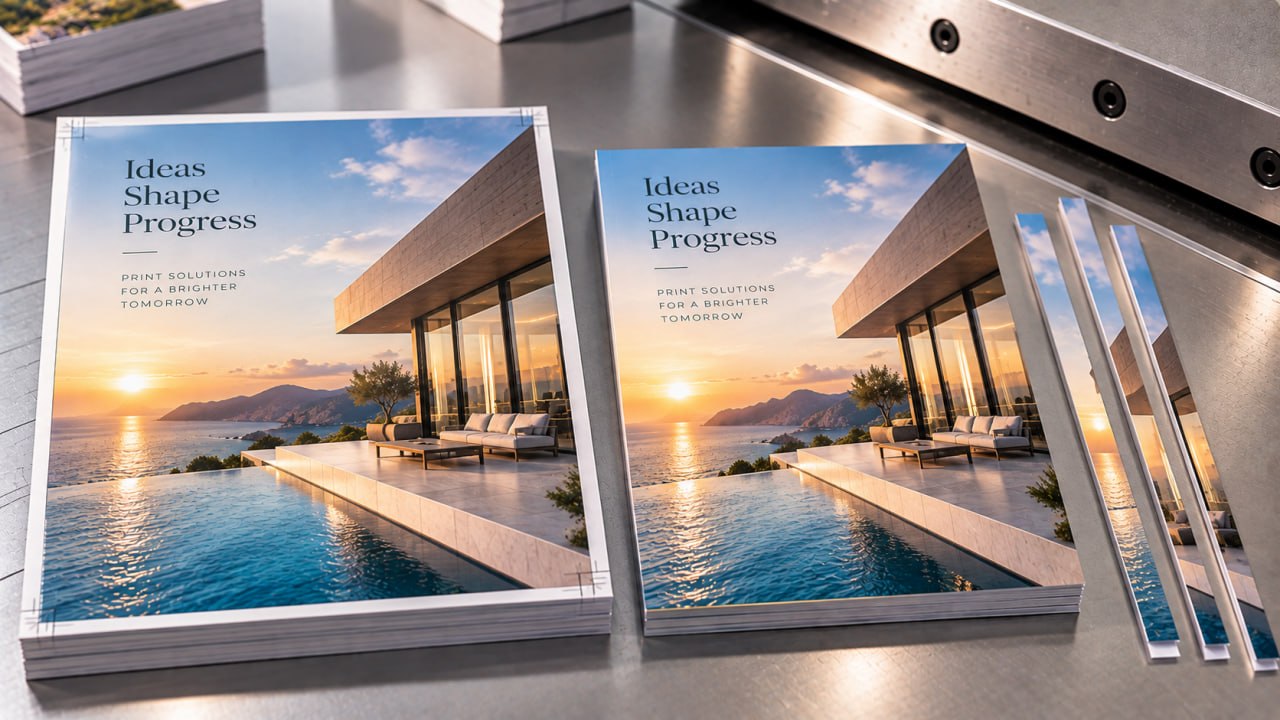
- trimming
- basic coatings
For highly specialised finishing, offset printing may be more suitable.
Limitations of Digital Printing
Digital printing is not suitable for all projects.
Key Constraints
- higher cost per unit at large volumes
- limited Pantone colour accuracy
- restrictions with certain premium finishes
These factors should be considered during production planning.
Practical Selection Guidelines
Use digital printing when:
- you need fast turnaround
- quantities are controlled or small
- designs change regularly
- personalisation adds value
Avoid digital printing when:
- large-scale production is required
- strict colour matching is critical
- complex finishing is essential