Coated vs Uncoated Paper: How Paper Choice Influences the Final Printed Result
A well-designed print project is shaped by more than graphics, typography or colour. The paper itself plays an equally important role in determining how the finished product looks, feels and performs. One of the earliest decisions in commercial printing is whether to use coated or uncoated paper. Although both can produce excellent results, they behave differently during printing and create distinct experiences for the reader. Understanding these differences helps businesses select paper that supports both their brand image and the practical purpose of the printed product.
The Difference Begins with the Surface
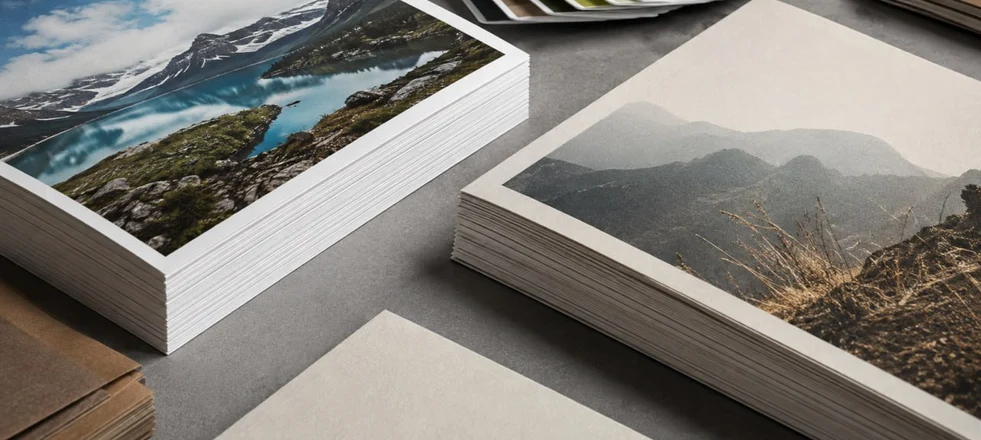
At first glance, coated and uncoated papers may appear similar. The distinction becomes clear once you hold them in your hands or compare the same design printed on both. Coated paper has a specially treated surface that provides a smoother finish. This coating keeps ink closer to the surface, allowing colours to appear brighter, details to remain sharp and photographs to be reproduced with greater clarity.
Uncoated paper has a more natural, porous texture. Because the fibres absorb more ink, colours usually appear softer and less saturated. Rather than creating maximum visual impact, uncoated paper offers a warmer, more tactile appearance that many brands associate with authenticity and craftsmanship.
When Coated Paper Is the Better Choice
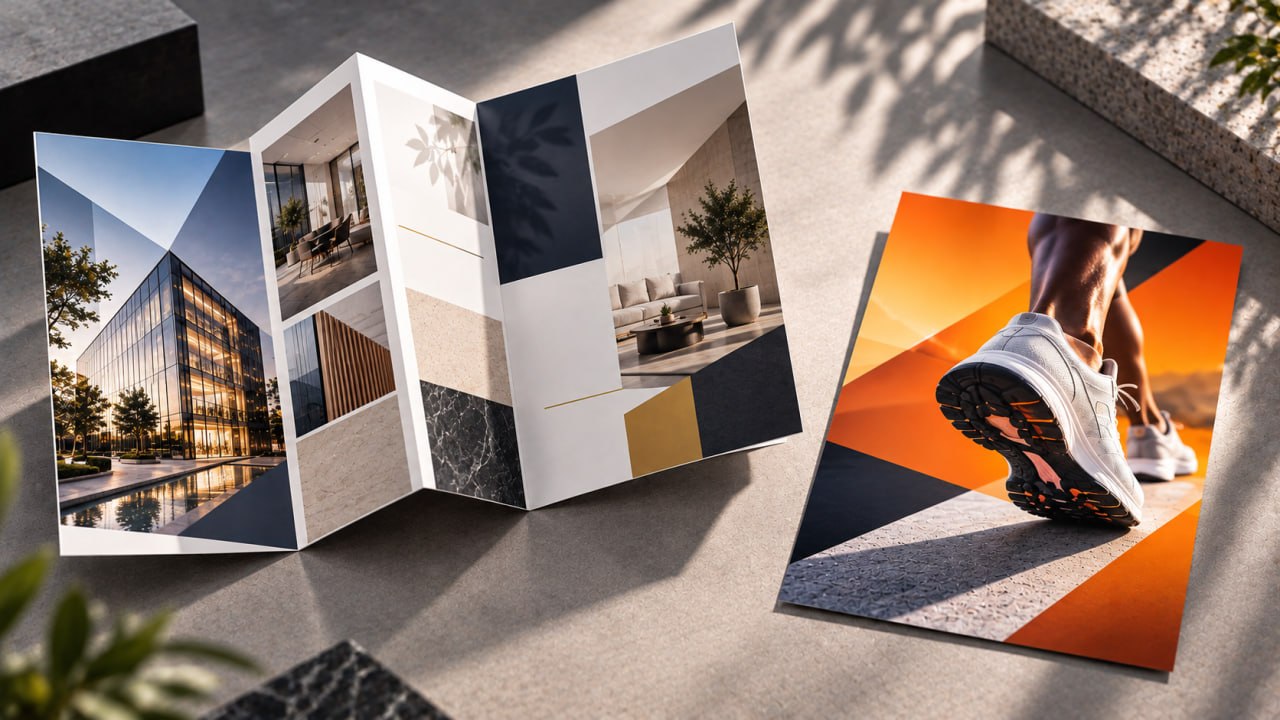
Projects that rely heavily on images often benefit from coated paper because it preserves fine detail and enhances colour reproduction. This paper type is commonly selected for product catalogues, magazines, brochures, promotional leaflets and luxury packaging where photography is a central design element. The smoother surface also works well with finishing techniques such as spot UV coating, foil stamping and embossing, allowing decorative effects to stand out more effectively. Businesses that want vibrant marketing materials or premium product presentations frequently choose coated stock for these reasons.
Where Uncoated Paper Performs Best
Not every print project needs vivid colours or glossy presentation. In many situations, a more natural finish creates a stronger impression. Uncoated paper is widely used for business stationery, notebooks, corporate reports, books, invitations and premium correspondence. Its surface is easier to write on, making it particularly suitable for printed materials that require handwritten notes or signatures.
Many brands also select uncoated paper because it conveys simplicity, sustainability and understated quality. These characteristics make it especially popular in industries such as architecture, design, hospitality and luxury retail.
Print Performance Is About More Than Appearance
The choice between coated and uncoated paper affects production as well as aesthetics. Because coated paper absorbs less ink, printed images generally appear sharper and colours remain more consistent across large solid areas. Uncoated paper interacts with ink differently, producing a softer appearance that often complements minimalist layouts and text-led designs.
Paper selection can also influence drying time, finishing options and the overall appearance and feel of the finished product. These practical considerations are usually discussed during production planning to ensure the material supports the intended application.
Matching Paper to Brand Identity
Paper communicates something about a business before customers begin reading the content. A cosmetics brand may choose coated paper to highlight premium product photography and luxurious finishes. A law firm or financial consultancy might prefer uncoated paper because it creates a professional, understated impression. A sustainable lifestyle brand may intentionally select textured uncoated stock to reinforce its environmental values. In each case, the paper becomes part of the brand story rather than simply a material used for printing.
Making the Right Choice
Neither coated nor uncoated paper is inherently superior. The most suitable option depends on what the printed product is expected to achieve. If colour accuracy, image quality and visual impact are the priorities, coated paper often delivers the best results. If readability, tactile appeal and a natural appearance are more important, uncoated paper may be the better solution. By considering paper selection at the beginning of a project rather than as a final production detail, businesses can create printed materials that not only look professional but also communicate their brand more effectively through every page, brochure or package.