Brochure vs Flyer: Which Marketing Material Delivers Better Results?
A business preparing for a product launch, exhibition or marketing campaign often asks the same question: should we print brochures or flyers? Both are widely used promotional materials, both can communicate a marketing message and both remain effective in the digital age. Yet they are designed to achieve different objectives.
Choosing the wrong format doesn't necessarily lead to poor printing quality—it can simply make the marketing campaign less effective. A single-sheet flyer may not provide enough space to explain a complex service, while a detailed brochure can be unnecessary for a short-term promotion.
Understanding the strengths of each format helps businesses invest in printed marketing materials that match both their audience and their goals.
The Difference Starts with the Message, Not the Paper
Many people assume the main difference between a brochure and a flyer is size or the number of folds. In practice, the distinction begins with the amount of information the business needs to communicate. A flyer is designed to capture attention quickly. It delivers a clear message that can be understood within seconds. A brochure encourages readers to spend more time exploring products, services or company information. Instead of asking which format looks more professional, businesses should first consider how much they need to say before expecting a customer to take action.
When a Flyer Makes More Sense
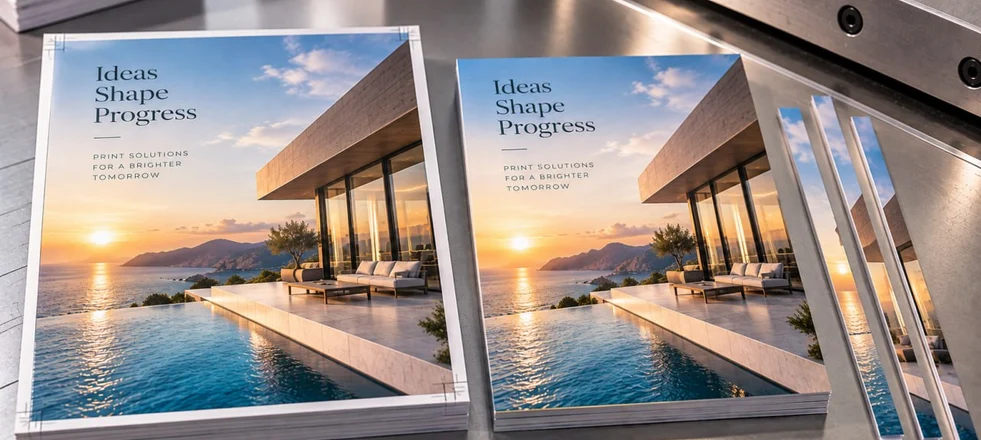
Flyers are built for speed. Whether distributed at exhibitions, inserted into shopping bags or delivered through direct mail, they communicate a focused message with minimal effort from the reader. Businesses commonly use flyers for:
- seasonal promotions;
- limited-time offers;
- grand openings;
- event announcements;
- discount campaigns;
- local advertising.
Because flyers contain concise content, the design usually relies on strong headlines, eye-catching visuals and a clear call to action. They are also economical to produce in large quantities, making them suitable for campaigns where broad distribution is more important than detailed information.
Why Businesses Choose Brochures
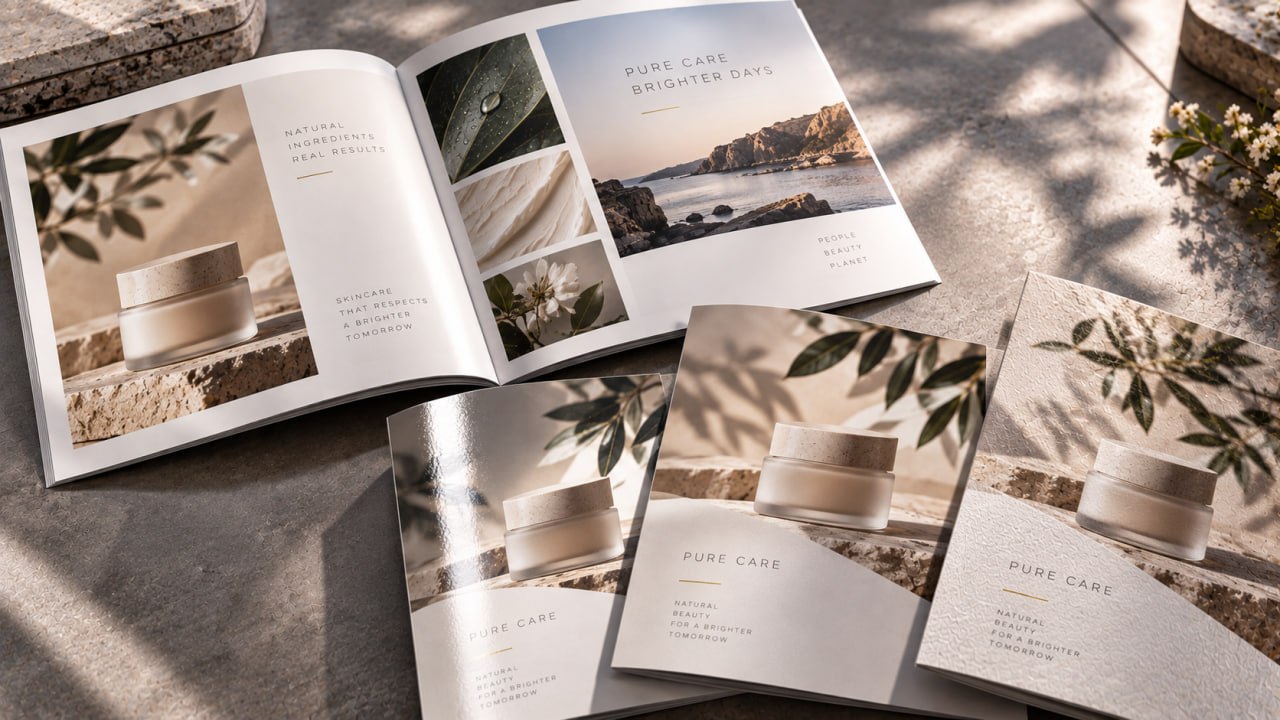
A brochure serves a different purpose. Rather than attracting attention for a few seconds, it supports informed decision-making. Brochures allow businesses to explain services, introduce product ranges, highlight technical specifications and reinforce brand credibility. They are commonly used for:
- corporate presentations;
- company profiles;
- product catalogues;
- real estate marketing;
- healthcare information;
- educational materials.
Because readers spend more time with brochures, the structure becomes just as important as the visual design. Information should flow naturally from one section to another, helping potential customers understand the business before making contact.
Different Formats Support Different Buying Decisions
The customer's stage in the buying journey often determines which printed product is more effective. A flyer works well when the goal is immediate awareness. It encourages quick responses such as visiting a website, scanning a QR code or taking advantage of a limited-time offer.
A brochure supports consideration. It answers questions, builds trust and provides the information customers often need before committing to higher-value products or services.
For businesses selling complex solutions, the brochure frequently becomes part of the sales conversation rather than simply a promotional handout.
Production Considerations Beyond Design
The choice between brochures and flyers also affects production planning.
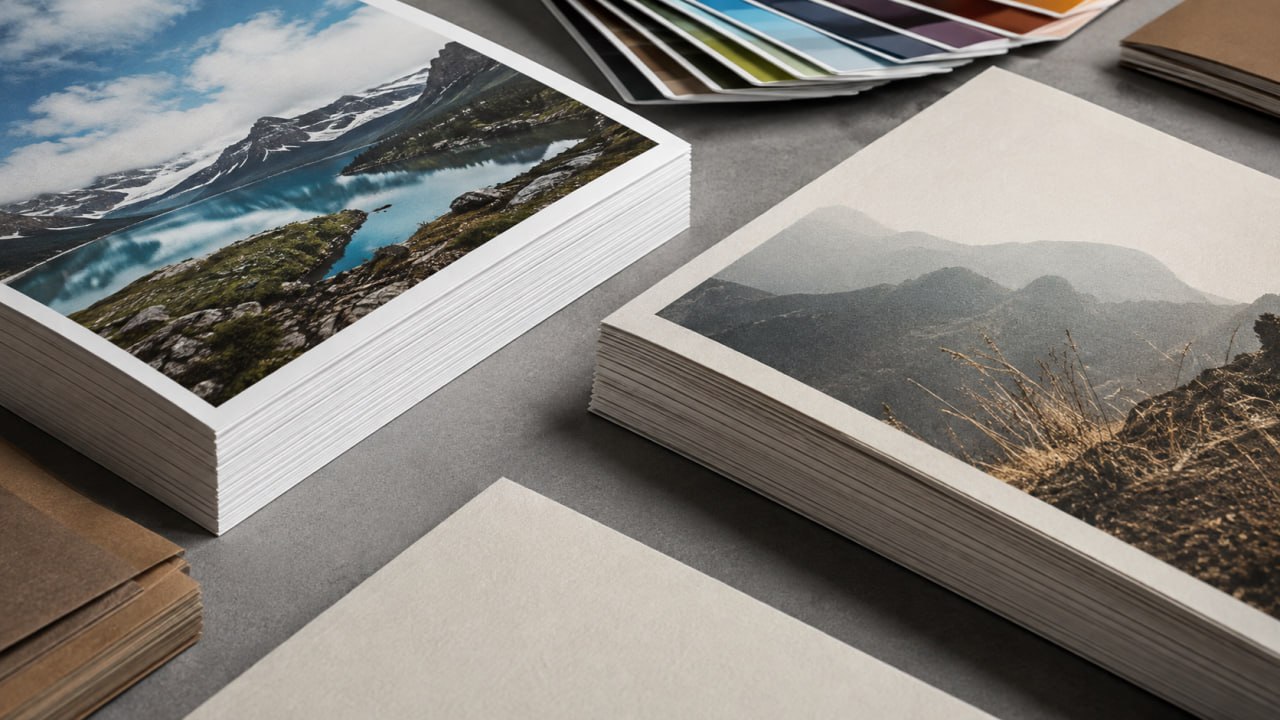
Brochures usually involve multiple panels or pages, which means paper selection, folding accuracy, binding and finishing techniques become more significant. Premium brochures often use coated paper, matte lamination, spot UV coating or foil stamping to reinforce brand positioning.
Flyers are generally simpler to produce. They can be printed quickly, distributed widely and updated more frequently as campaigns evolve.
Selecting the right format therefore involves balancing marketing objectives with production efficiency and budget.
Can Businesses Use Both?
For many marketing campaigns, the strongest approach is not to choose one format over the other but to use each where it performs best. At an exhibition, a flyer may attract visitors to the stand with a promotional offer, while a brochure provides detailed information for prospects who want to continue the conversation after the event.
A retail business might distribute flyers to generate foot traffic while keeping brochures available inside the showroom for customers comparing products.
When both materials work together, they support different stages of the customer journey instead of competing with each other.
Choosing the Right Printed Material
There is no universal answer to the brochure-versus-flyer question because the two products solve different marketing challenges.
If the objective is rapid communication, broad distribution and immediate response, a flyer is often the most practical solution.
If the goal is to explain products, demonstrate expertise and build confidence before a purchasing decision, a brochure offers significantly more opportunities.
The most successful print campaigns begin by defining the business objective first. Once that purpose is clear, selecting the right printed format becomes a strategic decision rather than simply a design preference.