Best Paper for Brochures: Choosing Paper That Supports Your Message
A brochure is often the first printed material a potential customer takes away after meeting your business. It may introduce your company at an exhibition, explain your services during a sales meeting or showcase new products in a showroom. Long after the conversation has ended, the brochure continues representing your brand.
That's why choosing paper is about far more than selecting a thickness from a price list. The right stock influences how colours appear, how comfortable it is to read the brochure, how durable it feels and whether it creates the impression your business wants to leave.
Instead of asking, "Which paper is best?" a more useful question is, "Which paper is best for this brochure?"
Start with the Purpose, Not the Paper Specification
The same paper will not suit every brochure. A restaurant introducing a seasonal menu, a construction company presenting commercial projects and a luxury cosmetics brand launching a premium collection all have different communication goals. Their brochures are handled differently, contain different types of content and create different expectations.
Before discussing paper weight or finish, it's worth considering how the brochure will actually be used. Will customers read it during a meeting? Will it be mailed? Will it remain on display in a reception area for several months? The answers often determine the most suitable paper more accurately than technical specifications alone.
Finding the Right Balance Between Weight and Practicality
Many businesses assume that heavier paper automatically creates a more premium brochure. In reality, paper weight should match the purpose of the publication. A brochure with many pages printed on excessively heavy stock can become bulky, difficult to fold and more expensive to distribute. Conversely, paper that is too light may reduce the perceived quality of the finished piece.
For most commercial brochures, text pages are commonly printed on paper between 130 and 170 gsm, while covers often use 200 to 300 gsm stock to improve durability and create a more substantial feel. Rather than selecting the highest available weight, professional printers usually recommend achieving a balance between appearance, usability and production efficiency.
Coated or Uncoated?
The surface of the paper has just as much influence as its thickness. Coated paper provides excellent image reproduction, sharper detail and stronger colour saturation, making it a popular choice for brochures containing high-quality photography or product images.
Uncoated paper produces a softer, more natural appearance. It is frequently selected for corporate publications, architectural portfolios and premium brand materials where texture and readability are as important as colour intensity. Neither option is universally better. The decision depends on how the brochure should feel in the reader's hands and what message the brand intends to communicate.
Should You Choose Glossy or Matte?
Businesses often confuse paper type with surface finish, but each contributes differently to the final result. Glossy finishes increase colour vibrancy and contrast, making photographs appear more dynamic. This is particularly useful for travel brochures, hospitality marketing and retail promotions.
Matte finishes minimise reflections, making long sections of text easier to read while creating a more refined and sophisticated appearance. Many B2B companies prefer matte brochures because they feel professional during client meetings and presentations.
The finish should complement both the design and the way the brochure will be used.
Paper Choice Also Affects Finishing Options
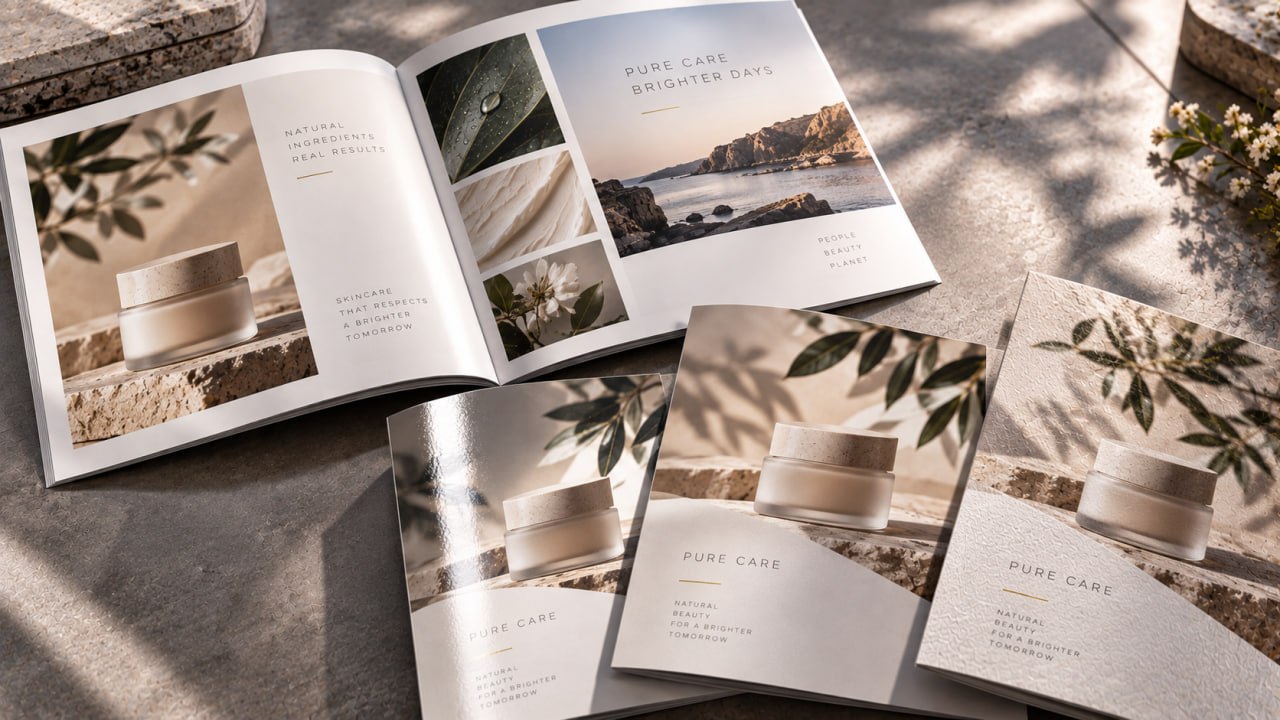
Paper selection influences more than printing alone. Premium finishing techniques such as foil stamping, embossing, debossing and spot UV coating perform differently depending on the paper surface and thickness. For example, a matte-coated cover combined with selective gloss UV can create striking visual contrast, while textured, uncoated stock paired with foil stamping often produces an elegant, understated result. Considering these elements together during the planning stage allows businesses to achieve a more cohesive final product.
Common Mistakes When Selecting Brochure Paper
One of the most frequent mistakes is choosing paper based solely on cost. While lighter paper may reduce printing expenses, it can also make the brochure feel less substantial. On the other hand, selecting the heaviest stock available simply to create a premium impression may increase costs without improving the reader's experience. Another common mistake is making paper decisions after the brochure has already been designed. Paper characteristics influence colour reproduction, page count, folding and finishing, so they should be considered early in the creative process.
Making the Right Choice for Your Brochure
The best brochure paper is the one that supports the brochure's purpose rather than following a generic recommendation. A luxury product catalogue may benefit from heavyweight coated paper with premium finishing. A corporate capability brochure might achieve stronger results with a matte finish that improves readability. An environmentally focused brand may intentionally choose textured uncoated stock to reinforce its identity. When paper selection becomes part of the overall communication strategy instead of a final production decision, the brochure does far more than present information. It strengthens brand perception, improves the customer experience and increases the value of every printed page.